

In 2026, the challenge is not just making more content. It is making content that fits the way each platform now behaves.
Instagram, LinkedIn, and TikTok are all still competing for attention, but they are rewarding different creative instincts. Instagram is leaning further into original short-form content and creator-style experimentation. LinkedIn is building more products around high-attention placements, personalization, and faster creative testing. TikTok is doubling down on discovery, curiosity, and content that proves its value quickly.
For marketers, that changes the brief. Multi-platform creative still matters, but copy-paste execution matters less than ever. One campaign idea can travel. The creative logic should not.
Instagram: Originality and iteration are becoming the advantage
Instagram’s current direction is becoming easier to read. Meta said that in Q4 2025, 75% of recommendations on Instagram in the US were coming from original posts, while nearly 10% of daily Reels views were coming from content made in Edits.
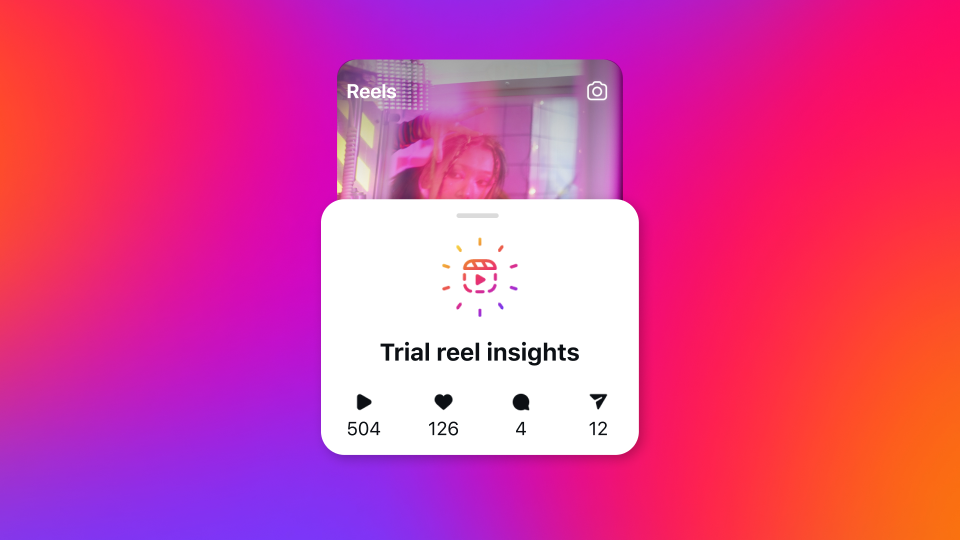
Instagram also continues to build for experimentation. Trial Reels, a feature that was introduced a while back, let creators share Reels with non-followers first. It is explicitly designed to help test new formats, storytelling styles, and topics before wider distribution.
What this means for marketers
On Instagram, brands should build for repeatable variation, not one-off perfection. Start with a clear message, then develop multiple intros, pacing styles, creator deliveries, and visual treatments around it. Use AI and editing tools to support speed and localization, but keep the creative judgment human. Meta’s ad and content updates suggest the platform is rewarding agility, originality, and native-feeling execution more than static brand polish.
Putting Trial Reels to Work
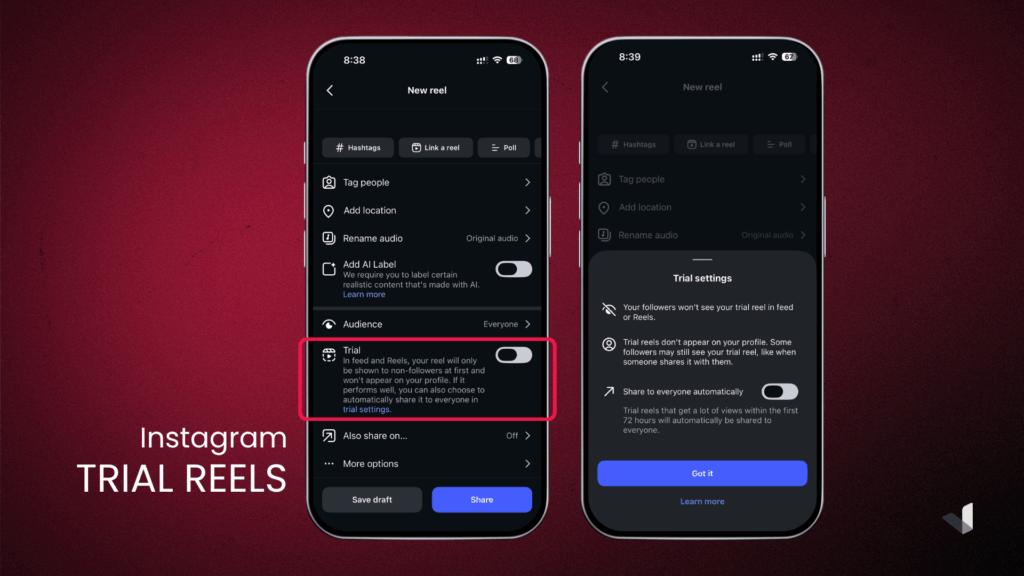
How to demonstrate this: Run the same campaign concept as three Trial Reels with different hooks. Track completion rate and saves across non-follower audiences for 24–48 hours, then publish the top performer. The version your existing audience never saw gets tested by people with no prior brand affinity — which is a much more honest signal of creative quality
The wider point is about positioning at scale. LinkedIn’s personalization tools mean a brand can speak to a Head of Marketing and a Head of Finance with the same campaign idea but a completely different message emphasis — without doubling the production effort. That is not just efficiency. It is a fundamentally more precise way to show up in a professional feed where generic messaging is immediately filtered out.
LinkedIn: More high-attention, more personalized, more creative pressure on B2B
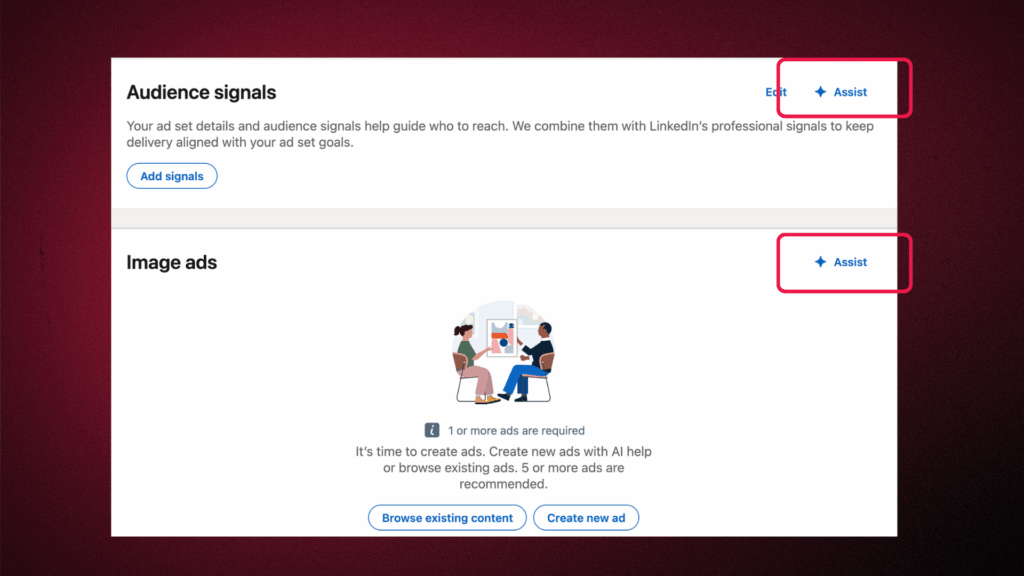
LinkedIn still plays a different role from Instagram and TikTok, but its recent product direction tells a clear story. LinkedIn rolled out Reserved Ads, ad personalization, and AI Marketing Assistant for Campaign Manager . According to reporting on LinkedIn’s announcement, Reserved Ads are designed to secure premium top-of-feed visibility, personalization can tailor messaging using member profile information, and the newer AI tools are built to generate and test more creative variations faster.
That matters because it suggests LinkedIn is putting more weight on creative visibility and creative relevance at the same time. The platform is not just a targeting environment. It is becoming a more deliberate creative environment for B2B marketers, especially when attention is scarce and top-of-feed placement matters more. MediaPost’s coverage of the same update also framed the move as part of LinkedIn’s push toward brand awareness through high-attention placements, AI-powered tools, and expanded personalization.
What this means for marketers
On LinkedIn, brands should treat creative like a trust-building asset, not just a media unit. Lead with a sharp point of view, use people where credibility matters, and make the first few seconds or first line work harder. The platform’s newer ad options point to a future where B2B creative is more testable, more personalized, and more exposed. That means brand safety alone is not enough. The work also needs a clear perspective.
Putting LinkedIn AI Marketing Assistant to Work
How to demonstrate this: Use the AI Marketing Assistant to generate five headline and copy variants from a single campaign brief. Run them as Reserved Ads against the same audience for one week. The variant that drives the highest engagement rate and lowest cost-per-click becomes the creative benchmark — and the process itself builds a documented testing methodology the team can repeat every quarter.
The wider point is about positioning at scale. LinkedIn’s personalization tools mean a brand can speak to a Head of Marketing and a Head of Finance with the same campaign idea but a completely different message emphasis — without doubling the production effort. That is not just efficiency. It is a fundamentally more precise way to show up in a professional feed where generic messaging is immediately filtered out.
TikTok: Discovery-first, culturally responsive, and emotionally selective
TikTok has been the clearest about where it sees 2026 going. The company’s framing is direct: passive consumption is fading, and brands need to participate in cultural moments, respond faster, and show why they are worth engaging with.
TikTok’s product updates reinforce that behavior shift. At TikTok World ’25, TikTok said billions of searches are happening on the platform every day, up more than 40% year over year, and that one in four users starts searching within the first 30 seconds of opening the app. It also announced tools like Search Center and continued scaling AI-powered products such as Smart+, which is aimed at helping brands align creative, discovery, and performance more closely.
What this means for marketers
On TikTok, creative is not just competing with entertainment. It is competing with curiosity. That means the creative needs to answer something quickly: a question, a tension, a use case, a reaction, or a cultural moment. Relevance matters more than polish, and timing matters more than campaign neatness. TikTok’s own trend language around curiosity and emotional ROI, plus its investment in search behavior and AI tools, suggests that the platform wants brands to be useful, responsive, and native to how people discover content there.
Putting TikTok Smart+ to Work
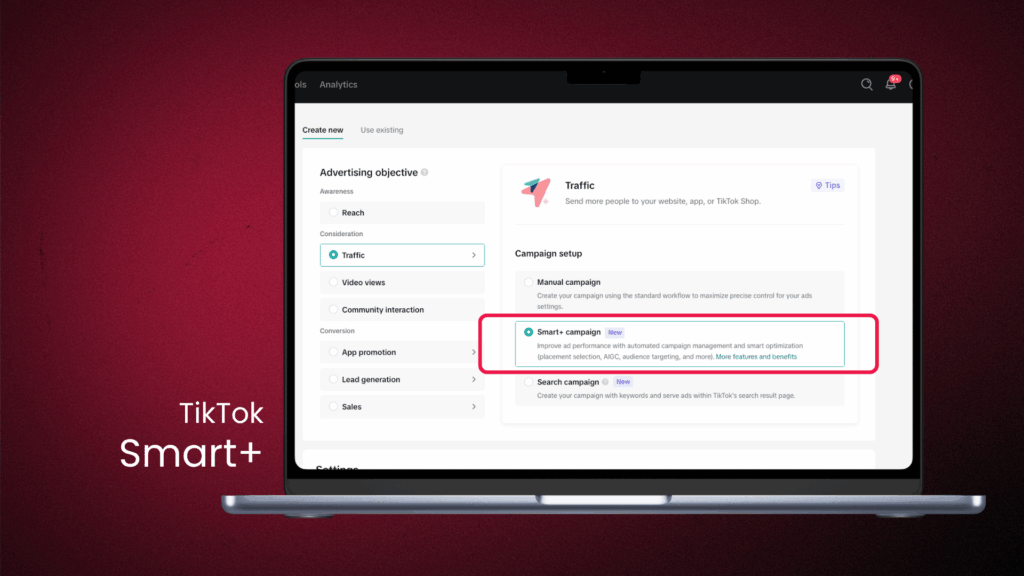
How to demonstrate this: Build a Smart+ campaign with a minimum of six creative variants — at least two different hooks, two different visual styles, and two different calls to action. Set the optimization goal toward the business outcome that matters most (conversions, product page visits, or video completions). After seven days, review the asset-level performance breakdown. The variant the algorithm favored most is the clearest signal of what this audience actually wanted — and a direct input into the next creative brief.
This is where purpose-led creative starts to prove its value in measurable terms. Smart+ rewards content that earns attention rather than just buying it. Brands that build with emotional intent — content that teaches, surprises, or connects rather than just promotes — consistently see stronger optimization outcomes, because the algorithm is ultimately reflecting what real users choose to watch and act on.
The Takeaway
Three platforms. Three behaviors. And in 2026, that distinction matters more than ever.
Instagram is rewarding originality and iteration. LinkedIn is asking more of B2B creative. TikTok is raising the bar on relevance, discovery, and responsiveness. Marketers who understand those differences will have a much better shot at building creative that fits the platform instead of fighting it.
The opportunity now is simple: stop thinking about multi-platform content as one asset in three places. Start thinking about it as one strategy expressed through three different behaviors.
Let’s work together to build platform-specific creative that fits how Instagram, LinkedIn, and TikTok actually behave in 2026.
FAQ
What is the biggest creative shift across Instagram, LinkedIn, and TikTok in 2026?
The biggest shift is that each platform is becoming more distinct in what it rewards. Instagram is leaning further into original, iterative short-form content; LinkedIn is building more around premium attention, personalization, and scalable creative testing; and TikTok is pushing brands toward discovery, curiosity, and emotional relevance.
Should brands still repurpose the same creative across platforms?
They can repurpose the core idea, but not the exact execution. The platform signals in 2026 point toward adaptation, not duplication. Each environment is shaping attention differently, so creative needs to adjust in format, hook, tone, and pacing.
What kind of creative is working best on Instagram in 2026?
Creative that feels native, original, and easy to iterate. Meta’s updates around original-post recommendations, Edits-powered Reels views, and Trial Reels all suggest Instagram is rewarding content that learns fast and feels made for the platform.
How should LinkedIn creative be different from Instagram or TikTok creative?
LinkedIn creative should carry more authority and specificity. The platform’s newer ad products suggest that visibility and personalization are becoming more important, which means the message itself needs to be sharper and more relevant to professional audiences.
What should brands focus on for TikTok creative in 2026?
Brands should focus on discovery intent, cultural timing, and emotional value. TikTok’s own 2026 forecast and search updates point to a platform where users are actively exploring, not just passively scrolling.
What is the biggest mistake marketers still make across all three platforms?
Treating multi-platform creative like a resizing exercise. The stronger move is to keep the strategy consistent while adapting the execution to how each platform behaves. That is the clearest pattern emerging across all three.

Iya Hipolito
Iya Hipolito is a marketing executive at VMG Digital with nearly a decade of experience in the industry. She specializes in digital marketing strategy, content creation, social media management, and brand storytelling. Passionate about innovation and growth, Iya shares insights on marketing trends and practical approaches to building stronger brand presence online.