

A lot of B2B content underperforms because it asks for action before it earns attention. Visibility matters, but it is rarely enough on its own. The content that performs best usually does three things well: it teaches something useful, it makes the brand feel credible, and it gives the reader a clear next move.
That structure matters even more in B2B, where decisions are often shaped by wider buying groups rather than one obvious decision-maker. Edelman and LinkedIn’s 2025 B2B Thought Leadership report says hidden buyers influence outcomes and that more than 40% of B2B deals stall because of internal misalignment. In that environment, content has to do more than attract a view. It has to help multiple people understand the value of the brand and feel confident in what it is saying.
The formula behind content that gets read and acted on
Strong B2B content tends to answer three questions quickly. Is this useful? Do I trust the people behind it? And do I know what to do next? When one of those answers is weak, the content usually loses momentum. It may still get seen, but it is less likely to build confidence or create action.
This is also why the formula maps well to how people evaluate quality more broadly. In Google’s framework, credibility is not a vague brand trait. It is tied to signals of experience, expertise, authoritativeness, and trustworthiness, which help people judge whether content is worth relying on. Google’s guidance on helpful, reliable, people-first content points creators back to those same ideas when evaluating what they publish.
1. Education earns the read
B2B audiences pay attention when content helps them understand a problem more clearly or make a better decision. That does not always require a long guide. Often, it means explaining one useful idea clearly and quickly, so the reader feels smarter after spending time with the piece.
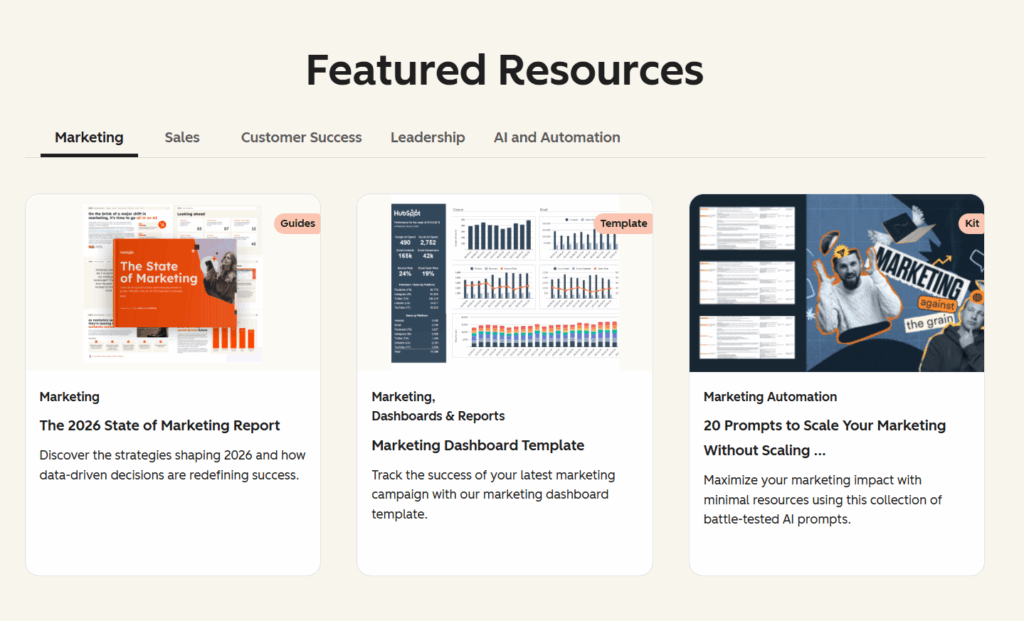
HubSpot is a strong example of this approach. Its resource library promotes more than 700 free templates, ebooks, tools, courses, and guides, while HubSpot Academy offers training in inbound marketing, sales, and customer service. The point is not simply that HubSpot publishes a lot. It is that the brand has built a habit of being useful before a sales conversation begins, and that makes the audience more willing to keep paying attention over time.
Educational content works when it gives the audience something they can apply, whether that is a clearer way to frame a problem, a sharper platform insight, or a simple tool they can use straight away. In other words, education earns the read because it creates value before it asks for anything in return.
2. Credibility earns the trust, and E-E-A-T explains why
Once a reader decides the content is useful, the next question is whether the brand behind it feels worth trusting. This is where many B2B articles become weaker than they need to be. They may sound polished, but they often lack the specificity that signals real experience or expertise.
This is where E-E-A-T is useful as a lens. If a piece shows real experience with the problem, demonstrates expertise in the subject, reflects authority in the category, and feels trustworthy in how it presents information, the content tends to feel more credible. Google’s documentation points creators to E-E-A-T and the Search Quality Rater Guidelines as a way to think about content quality, especially when they are self-assessing what they publish.
In practice, credibility usually shows up through specifics. It can be a sharp observation about how a platform behaves, a framework that helps the reader make a decision, or an example that proves the brand understands the environment it is speaking in.
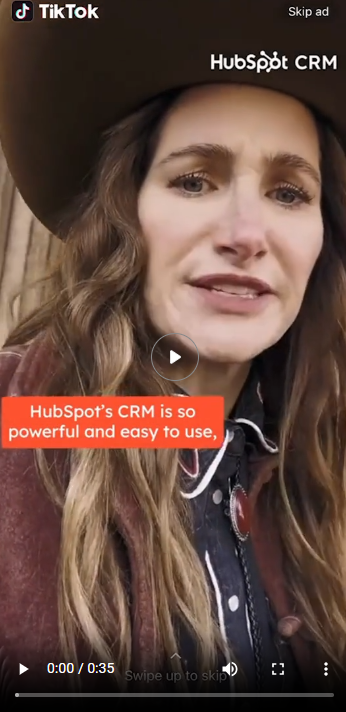

HubSpot’s TikTok case is a useful example. TikTok’s case study says HubSpot used native, social-first creative rather than forcing traditional B2B advertising into the platform, and the campaign delivered lifts in awareness, ad recall, favorability, and brand association. The larger point is not the metric alone. It is that the execution felt right for the platform, which made the brand feel more credible there.
That matters for B2B marketers because credibility is not only about sounding informed. It is also about showing that the brand understands the platform, the audience, and the context in which the content appears. On LinkedIn, that may mean a structured point of view or a useful framework. On TikTok, it may mean direct, native-feeling education. On Meta, it may mean pairing a sharp visual with a more immediate value exchange.
3. The next step creates action
Even strong content can lose value if the next step is vague. A reader may find the piece useful and credible, but if the CTA feels generic or disconnected from the content, the momentum usually fades.
A stronger next step should feel like the logical continuation of the value the reader just received. If the content introduces a framework, the next move might be a checklist, a template, or a strategy review. If the content highlights a common mistake, the next step might be an audit or a scorecard. The goal is not to make the CTA louder. It is to make it clearer.
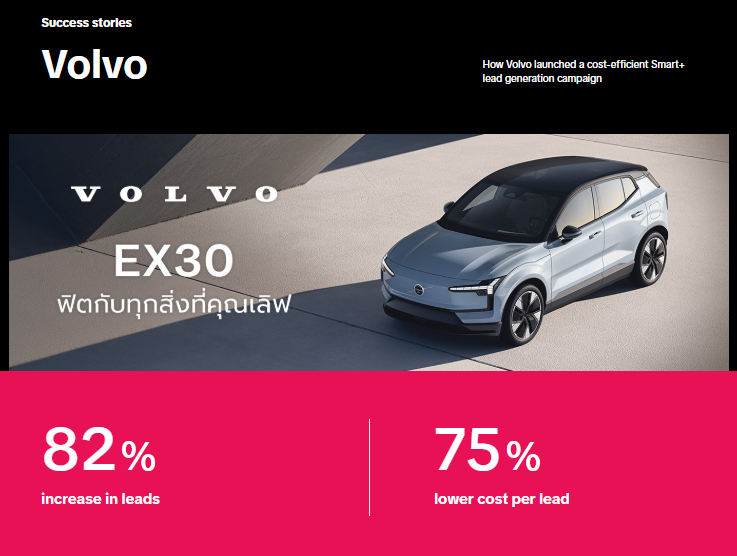
Volvo’s TikTok lead generation case makes this point well. TikTok says Volvo Thailand tested a Smart+ Lead Generation Campaign using creator-led videos and Instant Forms, and compared with a manual campaign, it saw an 82% increase in leads for test-drive registrations and a 75% lower cost per lead. The practical lesson is that the content did not stop at earning attention. It paired that interest with a clear, low-friction action inside the platform.
For B2B brands, that is the standard to aim for. The CTA should feel like the next useful step, not a sudden shift into a sales ask.
What this means across LinkedIn, Meta, and TikTok
The principle stays the same across platforms, but the execution changes.
On LinkedIn, the opportunity is usually to combine education with credibility. That often means structured, perspective-led content that gives the reader a practical insight and also makes the brand sound informed enough to trust. Edelman and LinkedIn’s research supports that approach because it shows how thought leadership helps influence wider buying groups, not just the visible decision-maker.
On Meta, the same idea usually needs a faster hook and a clearer value exchange, because the content has less time to explain itself. On TikTok, the message needs to feel native to the platform, while the next step should remain simple enough to act on without friction. TikTok’s own business materials frame lead generation around platform-native forms and easier conversion paths, which is why educational content paired with a direct action can work especially well there.
VMG Digital’s In-House Tools
This is where VMG Digital’s role becomes clearer. The goal is not just to produce more content, but to shape content that earns attention for the right reasons, signals real expertise, and leads naturally to the next step. To help do that, VMG Digital develops in-house tools that support briefing, messaging development, idea refinement, and platform-specific content planning.
These tools help the team work with more structure and consistency. They can organize inputs, sharpen early content directions, and make it easier to adapt ideas across LinkedIn, Meta, and TikTok without losing the substance of the message. They also help ensure that calls to action connect to the value of the content, rather than feeling disconnected from it.
The tools support the process, but the thinking still comes from the team. Strategists and creatives still decide what is useful, what feels credible, and what is strong enough to publish. That is what keeps the work aligned with E-E-A-T, which is ultimately about making content feel grounded in real experience, expertise, authority, and trust.
The Key Takeaway
B2B audiences pay attention when content gives them a reason to. Education earns the read because it creates immediate value. Credibility earns trust because it shows the brand understands the subject and the platform, and E-E-A-T helps explain why that credibility matters. A clear next step turns attention into momentum by making the next move easy to understand and worth taking.
That is the difference between content that gets noticed and content that actually helps move the business forward.
Want content your audience actually reads, trusts, and acts on? Work with VMG Digital to build platform-aware content and lead generation creative across LinkedIn, Meta, and TikTok.

Iya Hipolito
Iya Hipolito is a marketing executive at VMG Digital with nearly a decade of experience in the industry. She specializes in digital marketing strategy, content creation, social media management, and brand storytelling. Passionate about innovation and growth, Iya shares insights on marketing trends and practical approaches to building stronger brand presence online.